AICell surface
Fully automated surface inspection with ABIS III.
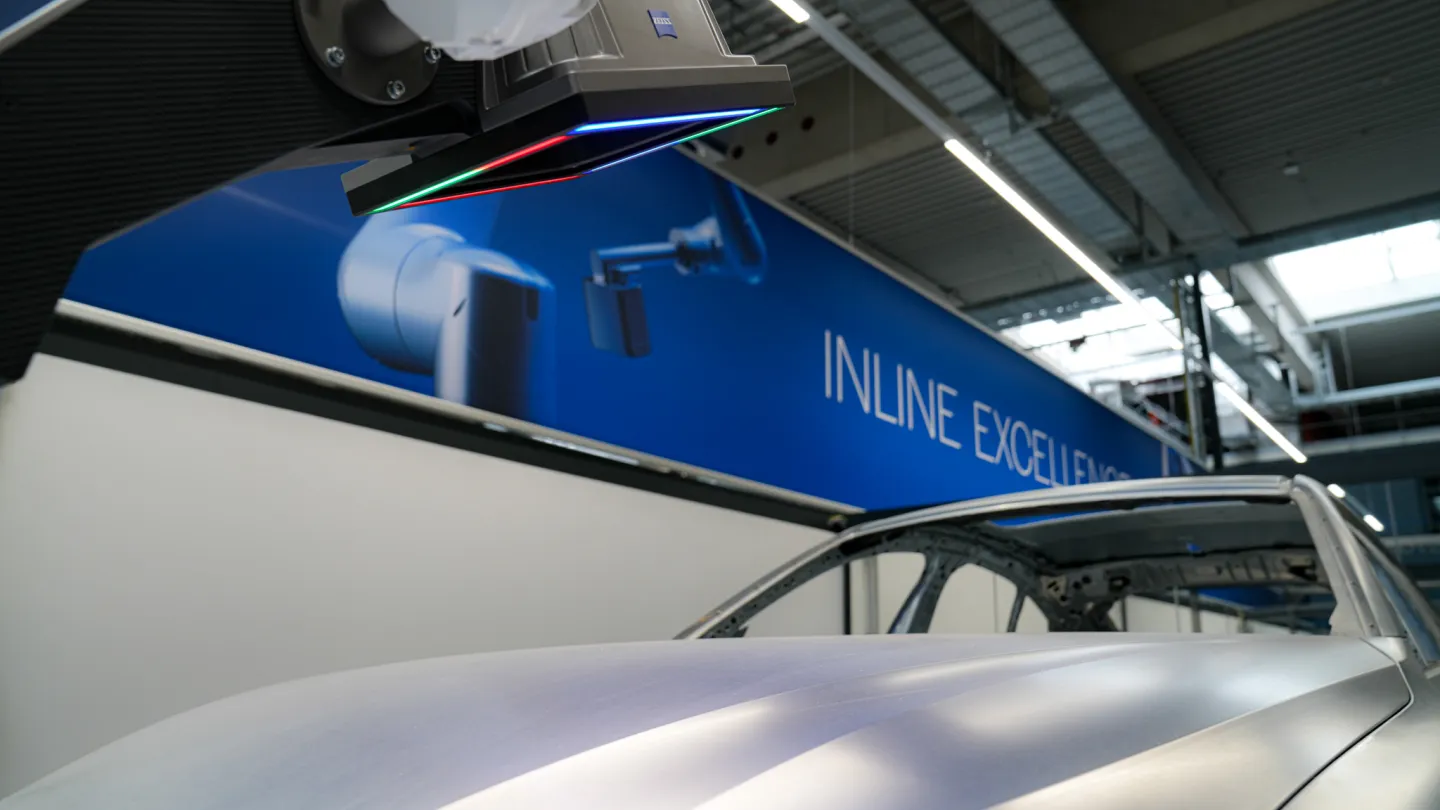
AICELL SURFACE: FULLY AUTOMATED SURFACE INSPECTION WITH ABIS III
- High-speed surface inspection
- Multi-color light technology for detecting the smallest types of defects
- Image refresh rate of the sensor of up to 20 Hz
- Reliable defect detection and analysis thanks to the highest data quality
- Simple operation and consistent documentation
- Fully automated, efficient and resource-saving
- Trend analyses and short control loops
The AICell surface with ABIS III is our answer to a question that has been on the minds of stamping plants and body manufacturers for years: How can surface quality be evaluated objectively and reproducibly instead of relying on an inspector’s eye?
The answer lies in Multi-Color-Light technology. Multiple light colors scan the surface from different angles and reveal defects that would otherwise go unnoticed: waviness, scratches, indentations, dents, and dimples. Even on moving parts, fully automatically, without interrupting the production cycle. With a refresh rate of up to 20 Hz, the AICell surface operates at high speed - and with a level of data quality that ensures every defect is detected.
The AICell surface is currently in use at major premium manufacturers such as BMW and Mercedes-Benz. Originally developed for the stamping shop, it has long since found its place in body-in-white production as well. The system not only detects defects but also identifies the trends leading up to them. This allows corrective action to be taken before a minor change develops into a real problem. Results are consistently documented and immediately available to the quality department, without any manual rework.
In the plants where AICell surface is currently in operation, the investment pays for itself faster than many users expect. This is not due to a single factor, but rather to the synergy of multiple factors: Parts that previously required rework in the paint shop are not even sent on to that stage in the first place. Customer complaints are decreasing. At the same time, consistently high surface quality is ensured throughout the entire production process.